
Stitched vs. unstitched shoes: understanding the real difference
J.P. HenriAt first glance, two pairs of shoes may seem identical. Same style, same leather, same apparent price. Yet, their construction can be completely different — and it is this difference that determines whether a shoe will last a few seasons… or several decades.
At Chez Gerry 1958 , we repair shoes every day. Over time, one thing becomes clear: the way a shoe is constructed is more important than its appearance .
What is a stitched shoe?
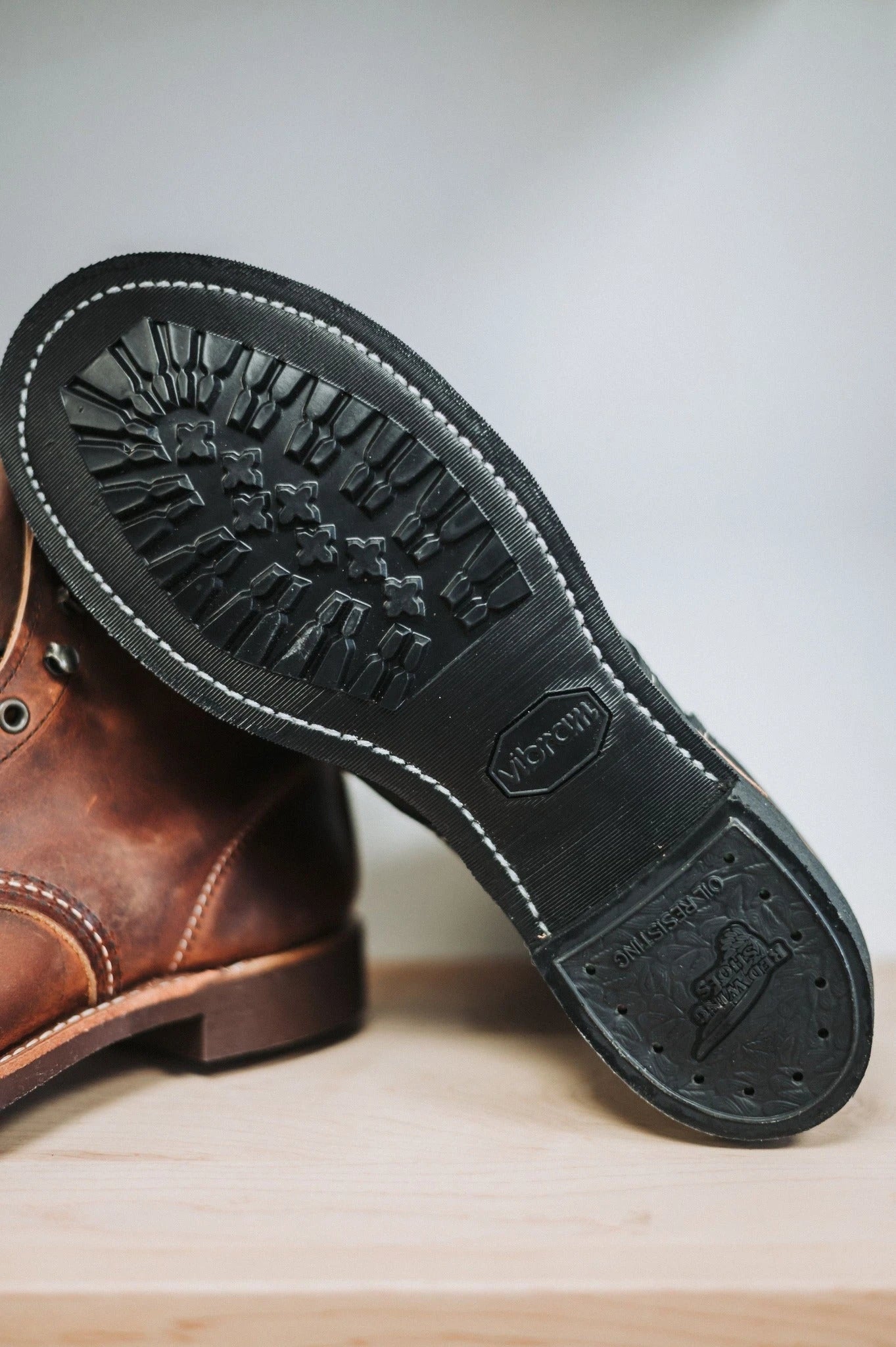
A stitched shoe is assembled using mechanical or manual stitching that securely joins the upper, insole, and outsole.
Among the best-known sewn constructions:
- Goodyear welt (welted)
- the Blake stitch
- Norwegian stitching
These constructions allow the sole to be disassembled and replaced without compromising the main structure of the shoe.
What is a non-stitched (glued) shoe?
Unstitched shoes are assembled primarily with industrial glue. The sole is glued directly to the upper, without any structural stitching.
This type of construction is very common in:
- fashion shoes
- cheap shoes
- models designed for a short lifecycle
When the glue breaks or the sole is too worn, the shoe often becomes irreparable.
Durability: stitched vs. unstitched
This is where the difference is most pronounced.
Stitched shoes:
- designed to be repaired
- can be resoled several times
- better resistance to humidity
- lifespan measured in years, sometimes in decades
Unstitched shoes:
- limited lifespan
- repairs often temporary
- high risk of detachment
- frequent replacement
Long-term comfort
A stitched shoe typically contains a cork or leather insole that molds to the foot over time.
Result :
- best support
- comfort that improves with use
- shoes that adapt to your gait
Conversely, glued shoes often offer immediate comfort… which diminishes as the materials compress.
The true long-term cost
A stitched shoe generally costs more to buy. But over 10 or 15 years, the calculation changes completely.
Simple example:
- Glued shoe replaced every 2–3 years
- stitched shoe resoled as needed
In the end, the stitched shoe is often less expensive — and much more satisfying.
Why do brands like Red Wing rely on stitched construction?
:contentReference[oaicite:1]{index=1} is known for its robust boots, designed from the ground up to be repaired and maintained.
The choice of stitched construction allows for:
- proven robustness
- better durability
- a resoling that respects the boot
This is exactly the type of shoe we like to sell and service at Chez Gerry 1958.
How can you tell if a shoe is stitched?
Some clues:
- visible stitching all around the sole
- presence of a trefoil
- clear information from the manufacturer
If in doubt, an experienced shoemaker can quickly confirm it for you.
Our vision at Chez Gerry 1958
We believe that a good shoe should be designed to last, not to be replaced.
That is why we prioritize:
- the sewn shoes
- repairable boots
- products that make sense in the long term
Choosing a stitched shoe is a thoughtful choice.
A choice of durability, comfort and respect for craftsmanship.
If you have any questions or are hesitating between different models, write to us via chat on chezgerry1958.com .
— Gerry
At Gerry's, 1958
Sustainable shoe repair & specialist in repairable shoes